 0
0
 0
0
For millions of people, grabbing a plastic water bottle is second nature. It’s convenient, cheap, and available everywhere from supermarkets to train stations. But new scientific findings suggest that this everyday habit may come with hidden health risks — risks far greater than most consumers realize.
A Growing Body of Evidence: Bottled Water Carries a Heavy Plastic Load
A comprehensive meta‑analysis led by researcher Sarah Sajedi has pulled together data from numerous studies on microplastics and nanoplastics — tiny particles shed from everyday plastic products. The results are unsettling.
- The average person consumes 39,000 to 52,000 microplastic particles per year.
- Those who frequently drink bottled water ingest around 90,000 particles annually — more than double the typical exposure.
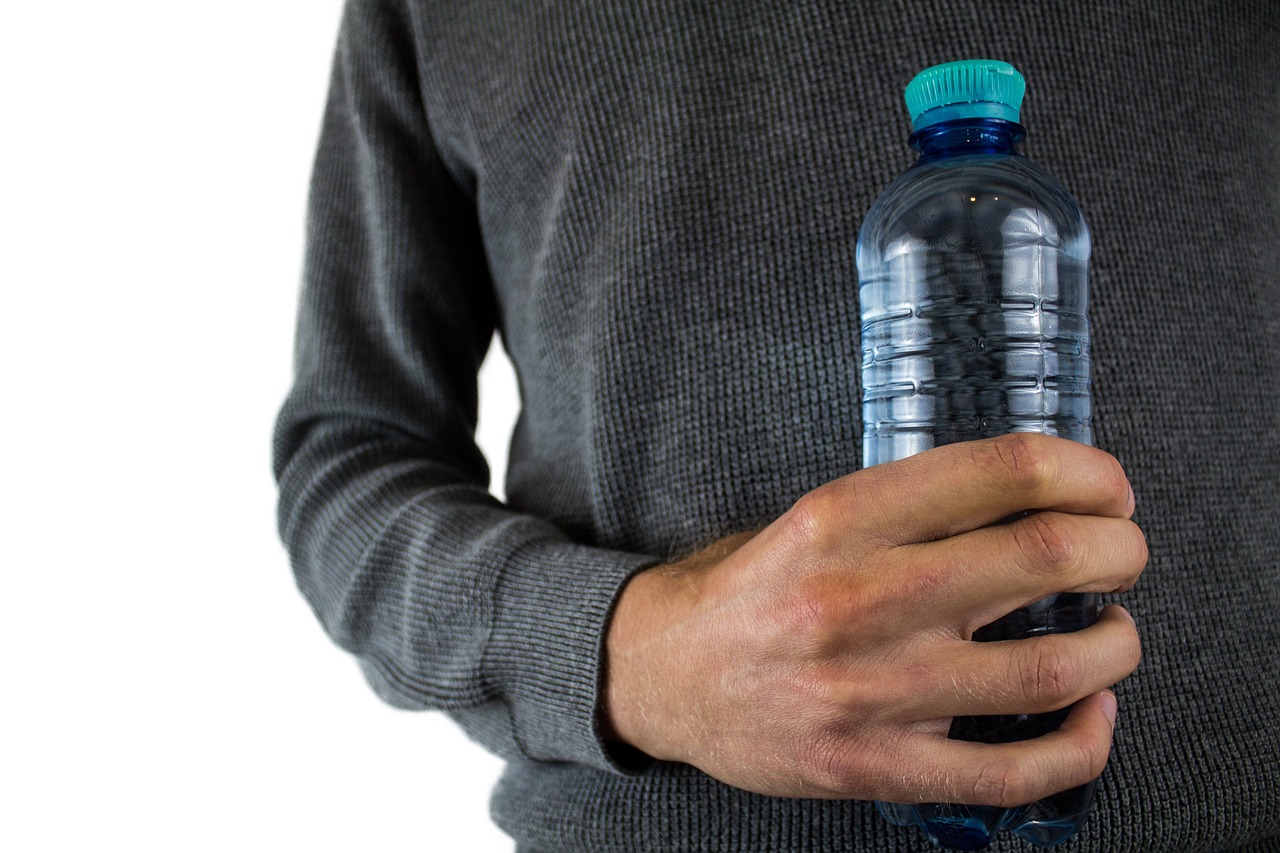
The reason is simple: plastic bottles shed particles during manufacturing, transport, storage, and even when the cap is twisted open. What looks like clean, clear water often contains microscopic debris invisible to the naked eye.
Health Risks: More Serious Than Previously Assumed
Researchers caution against downplaying the potential consequences. Across the studies analyzed, microplastic exposure repeatedly correlated with a range of health concerns, including:
- Respiratory diseases
- Reproductive issues
- Elevated cancer risk
While scientists are still investigating the exact biological mechanisms, the pattern is becoming harder to ignore. The smallest particles — nanoplastics — appear to pose the greatest threat.
Why Tiny Particles Are the Most Dangerous
Larger microplastic fragments are often excreted by the body. Nanoplastics, however, are small enough to potentially enter the bloodstream and travel through the body. Researchers suspect these particles may accumulate in organs or tissues, triggering inflammation or other long‑term effects.
Their size also makes them extremely difficult to detect — meaning the true scale of exposure may be even higher than current estimates.
Plastic Is Everywhere — Not Just in Bottles
The study highlights a broader problem: microplastics have infiltrated nearly every corner of the planet. According to the German Federal Institute for Risk Assessment, plastic particles are now found in:
- Air
- Soil
- Food
- Cosmetics
- Remote ecosystems such as the Antarctic and deep‑sea trenches
Daily exposure comes from multiple sources, making bottled water just one part of a much larger environmental puzzle.
What Consumers Can Do Right Now
Reducing personal exposure doesn’t require drastic lifestyle changes. Experts recommend a few simple steps:
- Drink tap water when local quality is good
- Use glass or stainless‑steel bottles
- Avoid storing beverages in warm plastic containers
- Reduce single‑use plastic consumption overall
- Keep plastic bottles out of direct sunlight, which accelerates particle shedding
Bottom Line: Glass and Steel Are the Safer Choice
Plastic bottles may be convenient, but the latest research suggests they’re not ideal for daily hydration. With mounting evidence that microplastics and nanoplastics can affect the human body more deeply than once thought, switching to reusable glass or stainless‑steel bottles is a small change that could make a big difference over time.
- source: wmn.de/picture: pixabay.com



This post has already been read 2550 times!